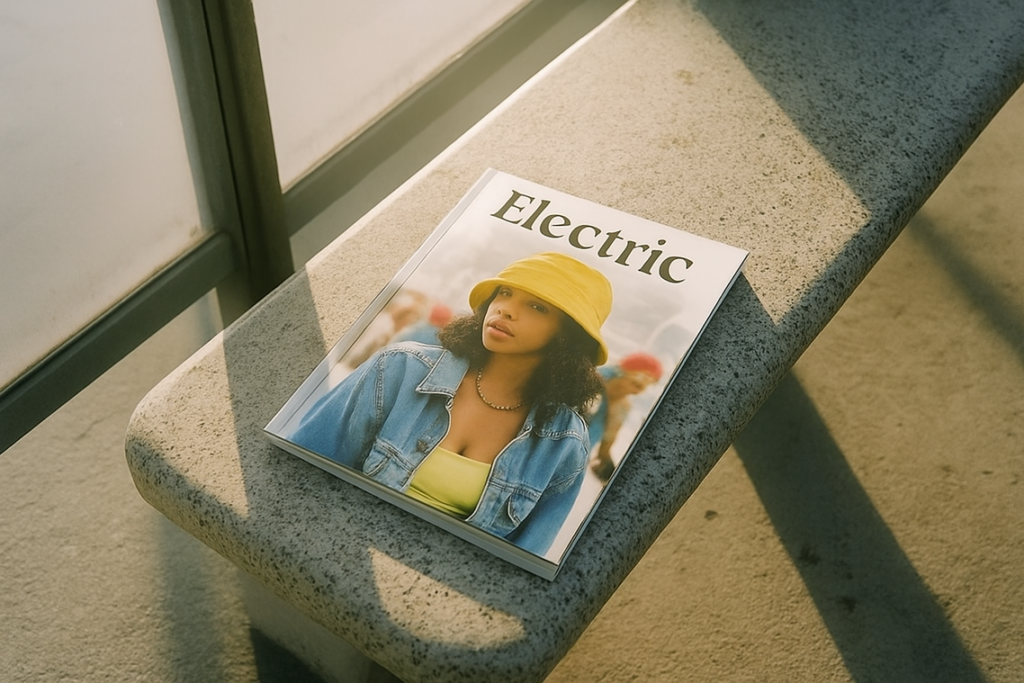
I’ve been reading Electron Magazine for years and this latest issue hit different.
You’re probably drowning in think pieces about what’s next. Every platform is screaming about the future while you’re just trying to figure out what actually matters right now.
Here’s the thing: most culture trends are just noise. They flash bright and disappear. But some are actually reshaping how we live, create, and connect.
I went through the latest Electron Magazine cover to cover. Not for the hot takes. For the shifts that are already happening while most people are still debating last year’s news.
This article pulls out the elmagcult culture trends from Electron Magazine that you need to understand. The ones that are moving from the edges to the center. The ones that will still matter six months from now.
Electron Magazine has a track record of spotting what’s coming before it arrives. They don’t chase trends. They document the cultural vanguard before it becomes mainstream.
You’ll see which movements in art, tech, and society are gaining real momentum. Not what might happen. What’s happening.
No fluff. Just the culture trends that are shaping right now.
Trend #1: The Analog Paradox — High-Tech’s Love Affair with Lo-Fi
Here’s something I’ve been watching closely.
People are spending thousands on digital cameras, then adding film grain in post. They’re buying $300 mechanical keyboards just to hear that satisfying clack. And vinyl sales? They hit $1.4 billion in 2023 (according to the RIAA).
But here’s where it gets interesting.
This isn’t about ditching technology. It’s about using it differently.
Digital vs Analog: A False Choice
Some folks say you’re either all-in on digital or you’re living in the past. That you can’t have both.
I don’t buy it.
What I’m seeing at elmagcult and across elmagcult culture trends from elecrtonmagazine is something more nuanced. People are blending both worlds.
Here’s what that actually looks like:
- Discovering music on Spotify, then buying the vinyl
- Shooting digital photos with vintage presets that mimic film grain
- Using modern apps to track analog habits like journaling or reading physical books
The difference between pure nostalgia and this trend? Intent.
Pure nostalgia means rejecting new tools because “things were better back then.” You’re looking backward.
The analog paradox means choosing texture and imperfection on purpose. You’re looking forward while bringing the good parts with you.
Why does this matter?
Because in a world where algorithms decide everything we see, there’s something powerful about choosing friction. About wanting things that feel real in your hands.
It’s not perfect. Sometimes it tips into performative aesthetics (looking at you, typewriter collectors who never actually write).
But mostly? I think we’re onto something here.
Trend #2: AI as the Creative Co-Pilot
Now let’s talk about something that’s got everyone from bedroom producers to gallery artists in a heated debate.
AI in creative work.
I know. Half of you just rolled your eyes and the other half perked up like I just mentioned free coffee.
But stick with me here because what’s happening right now is actually kind of wild.
We’ve moved past the whole “robots are coming for our jobs” panic (mostly). What I’m seeing instead is artists treating AI like that friend who always has weird ideas at 2 AM. Sometimes they’re terrible. Sometimes they’re brilliant. But they always get you thinking differently.
Here’s what this looks like in practice:
- Musicians are feeding AI their favorite songs and asking it to spit out chord progressions they’d never think of themselves
- Designers are using generative models to create dozens of mood boards in minutes instead of spending hours scrolling Pinterest
- Writers are using AI to dig through research or break through those moments when you’re staring at a blank page wondering if you’ve forgotten how words work
(We’ve all been there.)
The thing is, the conversation has shifted. It’s not about what the AI makes anymore. It’s about what you ask it to make. The creativity lives in the collaboration between you and the machine.
Think of it like having a really fast intern who never gets tired but also has no taste whatsoever. You still need to know what you’re looking for.
Of course, we can’t ignore the messy parts. The debates about training data and originality aren’t going away. Artists are right to ask where their work ends and the algorithm begins. These are real questions that deserve real answers.
But here’s what gets me cautiously excited.
This technology is putting professional-grade creative tools in the hands of people who couldn’t afford them before. The kid in Alpine with a laptop can experiment with sounds that used to require a full studio. That’s not nothing.
When you consider which cultural differences should always be considered elmagcult, you start to see how these tools could amplify voices that traditional gatekeepers ignored.
The optimism here isn’t blind. It’s about potential. About what happens when more people get to play with tools that used to belong only to those with money or connections.
We’re watching human creativity adapt to new possibilities. And honestly? That’s what artists have always done.
Trend #3: The Great Fragmentation — Rise of Hyper-Niche Communities
You know that feeling when you open Twitter (or X, or whatever we’re calling it now) and your chest just tightens?
The endless scroll. The performative outrage. The bots arguing with bots.
I’ve been watching people quietly slip away from these massive platforms. Not dramatically. Not with some big announcement. They just… stop showing up.
And they’re going somewhere else.
Somewhere smaller. More specific. Where the conversations actually mean something.
I’m talking about Discord servers with 200 members who all restore vintage motorcycles. Private Slack groups where indie game developers share their struggles. Substack newsletters that feel like letters from a friend who really gets your weird obsession with 1970s prog rock.
Some critics say this is dangerous. They argue we’re building digital bunkers where everyone just agrees with each other. That we’re losing the shared cultural touchstones that held society together.
Fair point.
But here’s what they’re missing.
Those big platforms weren’t actually bringing us together. They were just forcing us into the same room and watching us fight. The elmagcult culture trends from elecrtonmagazine show this shift isn’t about isolation. It’s about finding your people.
I joined a tiny forum about sourdough baking last year (I know, I know). The way people describe their starter’s smell. The texture of a good crumb. Someone compared the sound of scoring dough to cutting fresh snow.
That’s connection.
We’re not abandoning culture. We’re just realizing that culture doesn’t have to be one-size-fits-all anymore. It can be a thousand small fires instead of one big bonfire.
And honestly? Those small fires burn warmer.
Trend #4: Sustainable Futurism — Aesthetics Meets Eco-Consciousness
I remember walking into a friend’s apartment last year and stopping dead in my tracks.
Everything looked expensive. Sleek modular couch. Gorgeous lighting. Tech that actually blended into the space instead of screaming for attention.
Then she told me the whole setup was designed to last decades. Every piece could be repaired or upgraded. The materials? Bio-fabricated or recycled.
I’ll be honest. I expected sustainability to look like burlap and compromise.
This looked like the future.
That’s what sustainable futurism is about. It’s not choosing between what looks good and what’s good for the planet. It’s refusing to accept that trade-off in the first place.
You’re seeing it everywhere now. Fashion brands using lab-grown leather that looks better than the real thing. Furniture you can actually pass down because it’s built to adapt. Personal tech with supply chains you can trace from start to finish.
The culture trends 2024 elmagcult analysis shows something interesting. People aren’t just buying these products because they feel guilty. They’re buying them because they want them.
That’s the shift.
Sustainability used to mean sacrifice. Now it means smart design and forward thinking. It’s technology and aesthetics working together instead of fighting each other.
Here’s what really matters though.
Status is changing. Showing off isn’t about how much you can consume anymore. It’s about how intelligently you choose. How conscious your decisions are.
The future of luxury? It’s beautiful, responsible, and unapologetically optimistic about solving problems instead of ignoring them.
Embracing a More Intentional Culture
I’ve watched culture shift in real time while curating stories for Electron Magazine.
The trends defining today aren’t random. They’re about finding balance between the digital and analog, human and machine, mass-market and niche.
You came here to understand what’s happening in culture right now. Here’s what I see: we’re moving towards greater intentionality in how we create, connect, and consume.
This isn’t just about observing from the sidelines.
Use these insights to participate more consciously. Find your place within these movements that are reshaping how we live.
elmagcult culture trends from electronmagazine gives you the lens to see these patterns clearly. Now it’s up to you to act on what resonates.
The future belongs to people who engage with intention. Start today.
 Founder & Editorial Director
Fynsera Cole is the visionary behind El Mag Cult, shaping its voice with a balance of curiosity and cautious optimism. With a strong interest in global developments, she built the platform to simplify complex news into thoughtful, engaging insights. From its base in Alpine, California, Fynsera leads with a clear editorial direction focused on relevance and clarity. She specializes in curating content that highlights major events without overwhelming the reader. Her leadership ensures the platform remains both informative and approachable. Fynsera continues to guide the team in maintaining credibility while exploring evolving narratives in current affairs.
Founder & Editorial Director
Fynsera Cole is the visionary behind El Mag Cult, shaping its voice with a balance of curiosity and cautious optimism. With a strong interest in global developments, she built the platform to simplify complex news into thoughtful, engaging insights. From its base in Alpine, California, Fynsera leads with a clear editorial direction focused on relevance and clarity. She specializes in curating content that highlights major events without overwhelming the reader. Her leadership ensures the platform remains both informative and approachable. Fynsera continues to guide the team in maintaining credibility while exploring evolving narratives in current affairs.