I’ve been tracking electronic music for years and 2024 feels different.
You’re probably noticing it too. The scene is shifting in ways that go way deeper than just new subgenres or faster BPMs. Something bigger is happening beneath the surface.
Here’s the thing: most coverage focuses on chart positions and festival lineups. But the real story is in how the community itself is changing. The values. The aesthetics. The way people connect with the music and each other.
I spent months watching these shifts play out across dance floors, online communities, and artist collectives. Not the obvious stuff everyone’s talking about. The culture trends 2024 elmagcult that are actually reshaping what electronic music means right now.
This article breaks down the five movements that matter most. The ones changing how we experience and create electronic music today.
You’ll understand the new social dynamics driving the scene forward. You’ll see which cultural currents have staying power and which ones are just surface noise.
No fluff about the past or vague predictions. Just the movements defining electronic music culture right now and what they mean for fans and artists alike.
Trend 1: The Micro-Rave Renaissance & The Return to Intimacy
Something’s shifting in the culture.
While mega-festivals keep announcing bigger lineups and higher ticket prices, I’m watching a different movement take shape. People are walking away from those massive events and finding their way back to smaller spaces.
Warehouse parties are popping up again. Not the Instagram-ready kind with professional lighting rigs. I’m talking about actual DIY spaces where the location drops in your DMs two hours before doors open.
Pop-up events are everywhere now. A friend texted me last week about a 200-person gathering in a converted garage in Alpine. Local DJs. No VIP section. Just a sound system and people who actually wanted to be there.
Here’s what I’m seeing at elmagcult.
The culture trends 2024 elmagcult is tracking all point to the same thing. People are tired of feeling like another face in a crowd of 50,000. They want to know the person next to them. They want to recognize the DJ from that basement show last month.
Some will say this is just nostalgia. That we’re romanticizing the past and these small events can’t compete with the production value of major festivals.
Maybe they’re right about the production value.
But they’re missing the point entirely. This isn’t about LED walls or pyrotechnics. It’s about walking into a room and feeling like you belong there.
The pandemic changed how we think about crowds (whether we admit it or not). Smaller spaces feel safer. More intentional. Less like you’re just a ticket sale.
What matters now isn’t how many artists are on the poster. It’s whether you’ll actually remember the night.
Trend 2: Post-Genre Fluidity and Artist Identity
Artists don’t care about your genre labels anymore.
I see it every week. Someone drops a track that starts with ambient textures, builds into breakbeats, then finishes with techno stabs. And when you ask what genre it is? They just shrug.
Some purists hate this. They’ll tell you that abandoning genre distinctions waters down the music. That without clear boundaries, we lose the cultural history and technical specificity that makes each style meaningful.
I hear that argument a lot.
But here’s what I think they’re missing. Genre labels were always just shortcuts. They helped record stores organize vinyl and DJs explain their sound in three words or less.
The music itself? It never cared about those boxes.
What’s happening now is that artists are building sonic identities instead of fitting into predetermined categories. Take someone like Nia Archives (who blends jungle with indie sensibilities) or Fred again.. (who somehow makes dance music feel like a diary entry).
You can’t pin them down. And that’s the point.
Streaming changed everything. Platforms like SoundCloud and Spotify don’t organize by genre the way record stores did. They organize by mood, by artist, by whatever algorithm thinks you’ll vibe with next.
This creates space for experimentation. A producer can drop something weird on Tuesday and see if it connects. No need to worry if it fits the “drum and bass” playlist criteria.
Here’s what I’m seeing with listeners:
• They follow artists, not genres
• They build playlists around feelings rather than BPM
• They’re way more open to sonic surprises than we give them credit for
The culture trends 2024 elmagcult coverage backs this up. Fans want personality and authenticity over predictable formulas.
Sure, some people still want pure techno or straight-up house. That’s fine. Those scenes aren’t going anywhere.
But the future? It belongs to artists who sound like themselves.
Trend 3: The 20-Year Echo – Nostalgia Reimagined
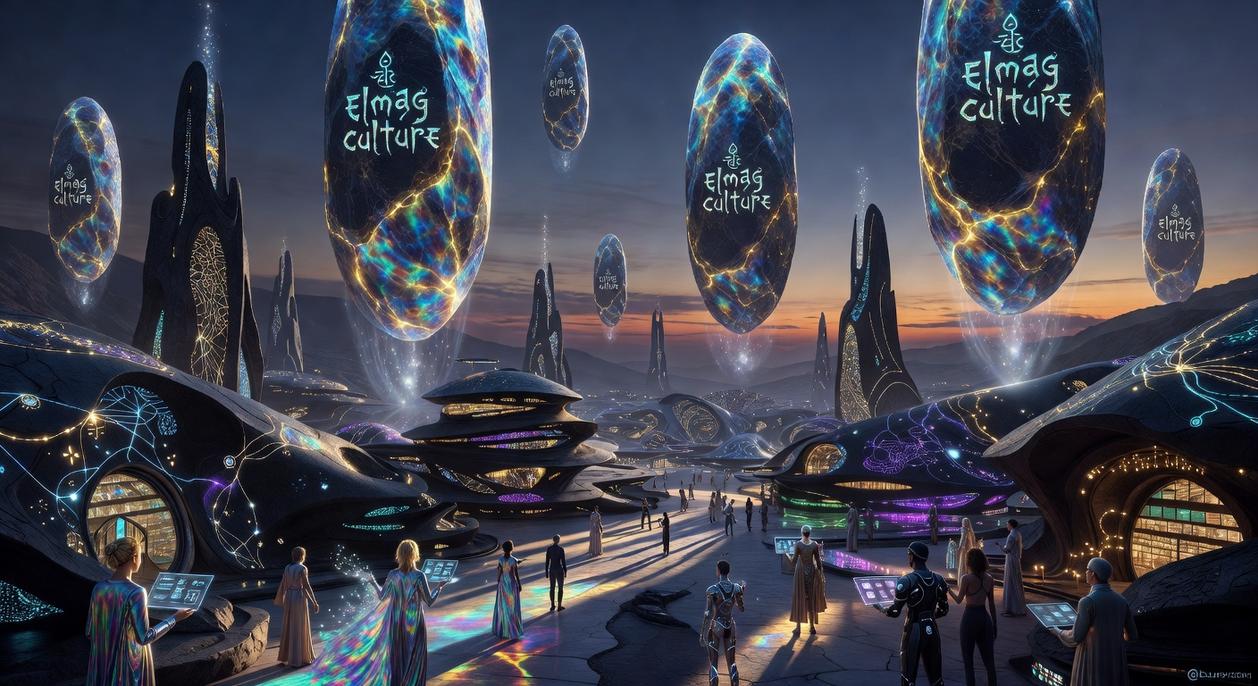
You’ve probably noticed it at festivals this year.
That trance breakdown that hits different. The breakbeat rhythm that feels both familiar and fresh. The progressive house build that takes you back to 2003 but sounds nothing like your old MP3 collection.
The 90s and early 2000s are back. But not in the way you think.
This Isn’t Just a Throwback
Some people say this is lazy. That producers are just recycling old ideas because they’ve run out of new ones.
I disagree.
What I’m hearing isn’t simple nostalgia. Modern producers are taking those foundational sounds and running them through production techniques that didn’t exist 20 years ago. The warmth of classic trance meets the clarity of 2024 mastering. Breakbeat patterns get layered with sound design that would’ve been impossible in 2004.
Labels like Anjunabeats and Afterlife are leading this charge. They’re releasing tracks that honor the past without living in it (and honestly, the production quality gap is wild when you compare them side by side).
Here’s what makes this work.
For older ravers, these sounds connect them to when they first discovered electronic music. That feeling when you heard Paul Oakenfold or BT for the first time. When raves actually felt underground.
For younger fans? They’re discovering these foundational sounds without the baggage. They don’t care that trance “died” in 2008. They just know it sounds good now.
This is what elmagcult culture trends from elecrtonmagazine calls the 20-year cycle. And it’s happening across the entire scene right now, not just in one genre.
The best part? We’re still in the early stages of this wave.
Trend 4: The Conscious Dancefloor – Wellness and Inclusivity
The rave scene is growing up.
And I mean that in the best way possible.
We’re watching a shift happen right now. One that’s changing what it means to show up to a party and feel like you belong there.
Some people say this wellness push is ruining the raw energy that made underground culture special in the first place. They think harm reduction tents and sober raves water down the experience.
But here’s what that argument misses.
A safer scene is a better scene. When you know you can get help without judgment or find a lineup that actually reflects the community, you’re free to lose yourself in the music. That’s the whole point.
I’ve noticed three things driving this change.
First, diverse lineups are becoming non-negotiable. Promoters who book the same type of artist over and over are getting called out. Dancers want to see themselves represented on stage, and they’re voting with their ticket money.
Second, harm reduction isn’t whispered about anymore. Mental health resources and testing stations are showing up at festivals because organizers finally understand that taking care of people isn’t optional.
Third, sober raving is actually a thing now. (Yes, really.) Wellness-focused events are pulling solid crowds because not everyone wants to be altered to have a good time.
This isn’t coming from the top down either. This is dancers demanding more from the people throwing parties. We’re seeing it play out in culture trends 2024 elmagcult across cities everywhere.
What you get from this shift is pretty clear. You walk into a space where you feel seen and safe. Where you can dance until sunrise without worrying about whether someone’s got your back if things go sideways.
That’s not watering down the culture. That’s making it sustainable.
Trend 5: Digital Authenticity and the TikTok Effect
Remember when TikTok was just for dance challenges?
Yeah, those days are gone.
Now it’s where artists actually connect with their fans. Not in some polished, PR-approved way. I’m talking real, unfiltered moments that feel like you’re getting a peek behind the curtain.
Beyond the Viral Moment
TikTok has grown up. Artists aren’t just posting for views anymore. They’re using it to show how they make music, tease unreleased tracks (you know, those mysterious “IDs” everyone freaks out about), and talk directly to fans without a filter.
It’s raw. Sometimes messy. And that’s exactly why it works.
The Lofi Look Takes Over
Here’s what’s interesting. High-production music videos? They’re starting to feel too polished. Too distant.
Fans want to see their favorite artists in a hoodie, recording vocals at 2 AM. They want the behind-the-scenes stuff that used to stay hidden.
This shift toward authenticity makes even the biggest names feel like someone you could actually know. And that changes everything about how we relate to music.
Who Gets Discovered Has Changed
Have you ever wondered why unknown artists suddenly blow up overnight?
TikTok flipped the script on music discovery. You don’t need a label anymore to get heard. You just need one sound or video that hits different.
A bedroom producer in Ohio has the same shot as someone signed to a major label. That’s what I mean when I talk about cultural trends today elmagcult covering.
One compelling 15-second clip can change a career.
Does that mean every viral artist has staying power? Not even close. But it does mean the gatekeepers lost some control over who gets a chance.
The Vibrant, Evolving Pulse of Electronic Music
You came here to understand where electronic music culture is heading in 2024.
We’ve covered five shifts that are reshaping the scene. The move towards intimacy is bringing people closer together in smaller spaces. Genre-fluidity is breaking down the walls between sounds. Reimagined nostalgia is giving classic elements new life. Conscious dancefloors are making sustainability and awareness part of the experience. And digital authenticity is changing how artists connect with their audiences.
These aren’t just trends. They’re signs of something bigger.
The electronic music scene in 2024 is more self-aware than it’s ever been. It’s more focused on community and less about chasing the next big thing.
I’m cautiously optimistic about where this is going.
These shifts point toward a healthier space for everyone involved. Artists have more freedom to experiment. Fans get more meaningful experiences. The whole industry seems to be moving toward something more creative and inclusive.
If you want to stay connected to these changes, keep exploring culture trends 2024 elmagcult and see how they play out in your local scene.
The future looks different. And that might be exactly what we need.
 Founder & Editorial Director
Fynsera Cole is the visionary behind El Mag Cult, shaping its voice with a balance of curiosity and cautious optimism. With a strong interest in global developments, she built the platform to simplify complex news into thoughtful, engaging insights. From its base in Alpine, California, Fynsera leads with a clear editorial direction focused on relevance and clarity. She specializes in curating content that highlights major events without overwhelming the reader. Her leadership ensures the platform remains both informative and approachable. Fynsera continues to guide the team in maintaining credibility while exploring evolving narratives in current affairs.
Founder & Editorial Director
Fynsera Cole is the visionary behind El Mag Cult, shaping its voice with a balance of curiosity and cautious optimism. With a strong interest in global developments, she built the platform to simplify complex news into thoughtful, engaging insights. From its base in Alpine, California, Fynsera leads with a clear editorial direction focused on relevance and clarity. She specializes in curating content that highlights major events without overwhelming the reader. Her leadership ensures the platform remains both informative and approachable. Fynsera continues to guide the team in maintaining credibility while exploring evolving narratives in current affairs.