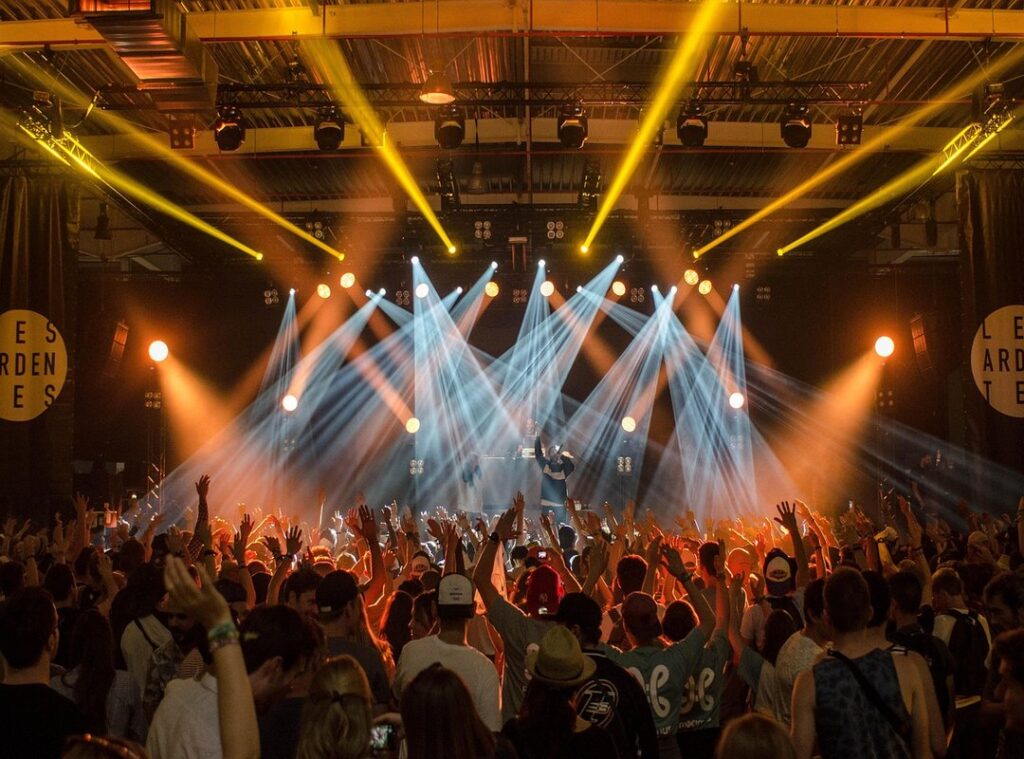
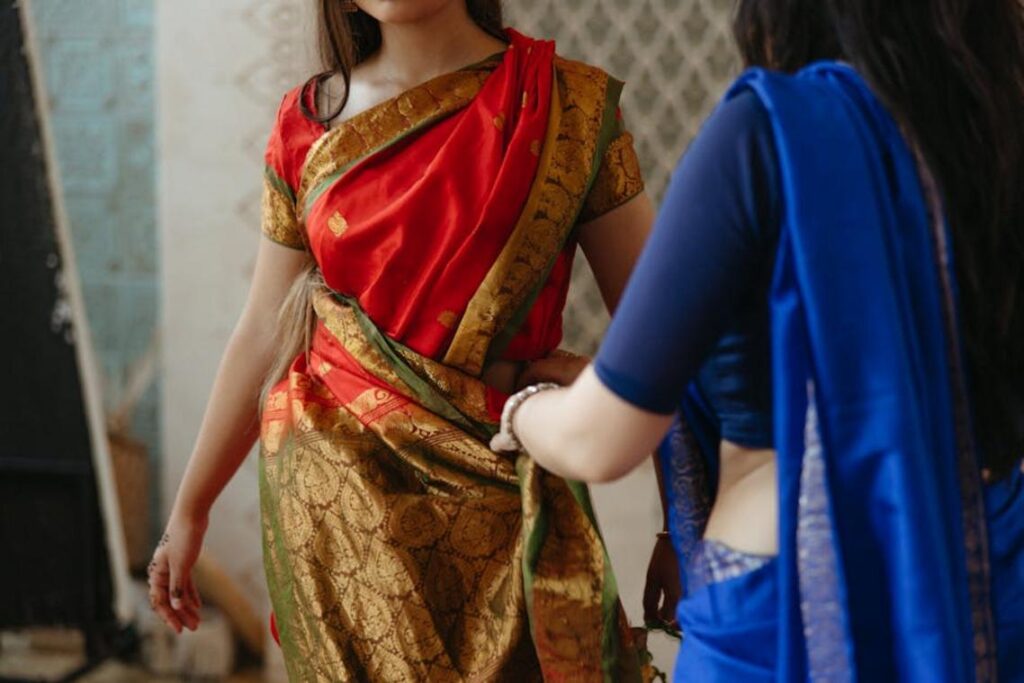
I’ve been watching something remarkable happen in Alpine.
You’ve probably noticed how most cultural traditions fade when they meet modern life. But the Elmagcult community is doing something different.
They’re not just keeping old practices alive. They’re reshaping them.
Traditional trends Elmagcult communities are known for aren’t sitting in museums or history books. They’re showing up in kitchens, art studios, and community gatherings right now. And they look different than they did a generation ago.
I wanted to understand how a community manages to hold onto what matters while still moving forward. So I spent time looking at what’s actually happening here.
This article shows you the specific practices that define Elmagcult culture today. The art forms people are creating. The foods they’re cooking. The social traditions they’re building.
What you’ll see is a community that figured out something most haven’t. They found a way to honor where they came from without getting stuck there.
No romantic nostalgia about the past. Just real people making real choices about which traditions deserve to survive and how to make them work now.
The Core of Community: Understanding Elmagcult Values
You’ve probably heard about elmagcult and wondered what actually drives this community.
Let me break it down.
At its heart, Elmagcult is built on a few simple ideas. Communal harmony matters more than individual achievement. Time isn’t a straight line but moves in cycles. And the natural landscape? It’s not just scenery. It’s sacred.
I know that sounds abstract.
But here’s where it gets real. These aren’t just nice thoughts people post about. They show up in how folks actually live.
When someone creates something, they think about the whole community first. Craftsmanship isn’t about making the flashiest product. It’s about making something that serves everyone and lasts through multiple cycles.
Social interactions work the same way. You’ll notice people take time with conversations. They’re not rushing to the next thing because they see relationships as circular, not transactional.
The natural world shapes everything. Decisions get made based on seasons and natural rhythms, not arbitrary deadlines.
Now here’s what matters for you.
When you see traditional trends elmagcult emerging, they’re not random. They come directly from these values. A new practice or shift in the community always ties back to harmony, cycles, or reverence for nature.
Understanding this context changes how you see everything else that happens here.
Trend #1: A Renaissance in Ancestral Arts and Crafts
Money is flowing back into something unexpected.
Traditional elmagcult practices that most people wrote off as relics.
I’m talking about sun-glyph pottery and sky-fiber weaving. These aren’t just museum pieces anymore. They’re becoming real economic drivers.
The Revival of Sun-Glyph Pottery
You’ve probably never heard of sun-glyph pottery. Most people haven’t.
It’s this ceramic art form where artisans create geometric patterns that actually track celestial movements. The designs aren’t random. They map out solstices, equinoxes, and star positions.
For centuries, these pieces served both practical and spiritual purposes. Now they’re catching the eye of collectors and interior designers who want something with actual meaning behind it.
Some critics say this is just nostalgia. That we’re romanticizing the past instead of moving forward.
But here’s what they’re missing. These aren’t exact replicas. Modern artisans are adapting the techniques for contemporary spaces while keeping the core knowledge alive.
The Innovation in Sky-Fiber Weaving
Sky-fiber weaving is where things get interesting.
Younger artisans are taking traditional loom techniques and running with them. They’re using the same foundational methods but swapping in modern color palettes. Think deep indigos mixed with metallics instead of just earth tones.
The materials have evolved too. Some weavers blend traditional fibers with recycled textiles to create pieces that work in today’s homes.
Is it still authentic if you change the colors and materials? That’s the question purists keep asking.
I think they’re looking at it wrong. The technique is what matters. The knowledge of how to create these patterns and structures. That’s what’s being preserved and passed down.
From Relic to Relevance
Here’s the real story.
These crafts are doing double duty. They connect people to their cultural roots while also putting money in artisans’ pockets.
A well-made sun-glyph vessel can sell for several hundred dollars. Custom sky-fiber wall hangings go for even more. That’s real income for communities that need it.
The economic sustainability piece matters because it keeps the knowledge alive. When young people can actually make a living from these skills, they stick with them.
Trend #2: The Modern Palate Meets Ancient Flavors
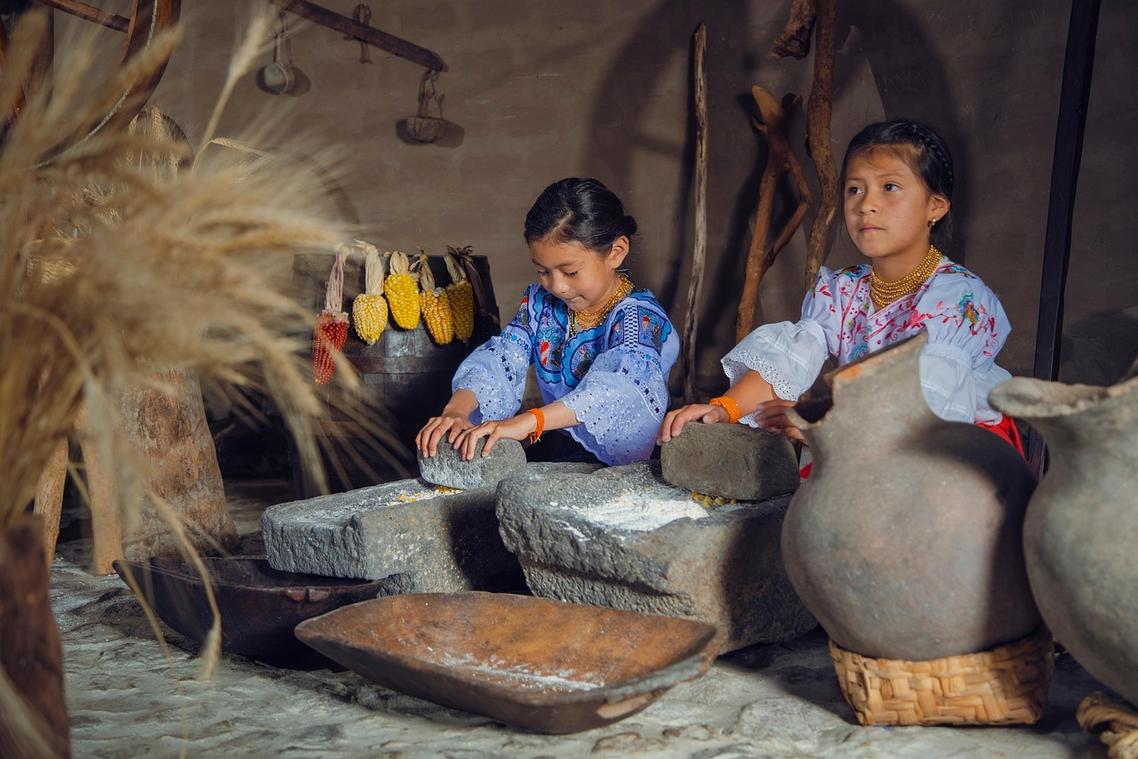
You walk into a kitchen in Alpine and the air hits you first.
That earthy smell of ember-root roasting over low heat. The sweet tang of stone-fruit preserves simmering in copper pots.
It’s happening everywhere I look. People are bringing back ingredients their grandparents used. Not as some trendy gimmick. Because they actually taste better.
I tried ember-root for the first time last month (honestly didn’t expect much). The texture is dense and almost nutty. When you roast it properly, the outside gets this crispy char while the inside stays soft. It’s nothing like the bland stuff you find in most grocery stores.
Some folks say we should just stick with modern ingredients. They’re easier to find. More consistent. Why bother with old farming methods that take twice as long?
Here’s what they’re missing.
These traditional trends elmagcult aren’t just about nostalgia. Native plants grow better in our soil. They need less water. And the flavor? There’s no comparison.
The real magic happens at our seasonal feasts.
Picture this. Long tables set up outside. Everyone brings something made from recipes passed down through families. The sound of people talking and laughing while plates get passed around. You taste someone’s stone-fruit preserve on warm bread and suddenly you understand why they guard that recipe.
But we’re not just recreating the past.
I’m seeing young cooks take these old ingredients and do new things with them. Ember-root chips with sea salt. Stone-fruit glazes on grilled meats. The kind of culture news elmagcult that makes you excited about what’s coming next.
It works because it respects where we came from while making room for where we’re going.
Trend #3: The Evolution of Ceremonial Gatherings
The equinox festivals are changing.
Not disappearing. Not being watered down. Just evolving.
I’ve watched communities struggle with this for years. They want to honor the old ways but they also want their kids to actually show up.
Here’s what’s happening.
The spring and fall equinox celebrations (those twice-yearly moments when day and night are equal) are getting a facelift. Elders are weaving ancient rituals with activities that feel relevant to people living in 2024.
What does that actually look like?
Instead of just observing ceremonies, younger members are participating. They’re learning the WHY behind each ritual. Not just going through the motions because grandma said so.
But it’s the rites of passage that really get interesting.
Traditional coming-of-age ceremonies were built for a different world. A world where you got married at 18 and worked the same job for 40 years. That’s not reality anymore.
So communities are adapting. They’re creating ceremonies that acknowledge modern milestones. First apartment. Career changes. Divorce recovery. (Because let’s be honest, life doesn’t follow the old script anymore.)
The tricky part? Keeping things sacred while making them accessible.
Some people worry that updating traditional elmagcult practices means losing their power. That if you change anything, the whole thing falls apart.
I’m cautiously optimistic about where this is headed.
Yes, there’s risk. You can absolutely dilute meaning by trying too hard to be relevant.
But I’m seeing something else happen too. Young people who ignored their heritage for years are suddenly curious. They want in. They just need a way to connect that doesn’t feel like a museum exhibit.
The communities getting this right? They’re not choosing between sacred and accessible.
They’re finding both.
Trend #4: Preserving the Spoken Word in a Digital Age
Your grandmother’s stories shouldn’t die with her generation.
I mean it. Those proverbs she shares at dinner? The way your uncle tells that family story about moving to Alpine? That’s not just entertainment.
It’s how we pass down what matters.
But here’s the problem. We’re losing these voices faster than we realize. Every day, someone’s last story goes unrecorded. Their wisdom just vanishes.
Some people argue that oral traditions should stay oral. They say recording them strips away the authenticity. That podcasts and digital archives somehow cheapen the experience.
I hear that concern.
But think about it this way. How many stories have you already forgotten because no one wrote them down? How many voices from your own family are just gone?
The good news? We can actually do something about this now.
Start simple. Pull out your phone next time someone tells a story worth keeping. Record it (with permission, obviously). You don’t need fancy equipment.
Community-run websites are popping up everywhere to house these recordings. Local podcasts are giving elders a platform to share what they know. It’s not replacing the tradition. It’s making sure the tradition survives.
I’ve seen families create private audio archives. Just them, sharing stories on a simple website their kids can access anytime.
Pro tip: Ask specific questions. “Tell me about your first job” gets better stories than “tell me about the old days.”
The what trends should come back elmagcult movement gets this right. Preservation doesn’t mean putting things in a museum where no one touches them.
It means keeping them alive for the next generation.
A Culture in Full Bloom
We’ve explored the dynamic trends in Elmagcult art, food, and social ceremony.
You came here to understand how this community keeps its culture alive. Now you see it’s not about preserving things in amber.
The Elmagcult shows us something important. Traditional trends elmagcult aren’t stuck in the past. They’re breathing and changing with each generation.
This community doesn’t treat heritage like a museum piece. They live it and reshape it to fit their world today.
That’s the real lesson here. Culture stays strong when people engage with it actively instead of just protecting it.
The Elmagcult’s approach gives us a blueprint. Their enthusiastic embrace of heritage while staying open to change offers hope for cultural vitality everywhere.
You can see this same pattern in communities around the world. The ones that thrive are the ones that adapt.
Watch how the Elmagcult continues to evolve. Their story is still being written.
 Founder & Editorial Director
Fynsera Cole is the visionary behind El Mag Cult, shaping its voice with a balance of curiosity and cautious optimism. With a strong interest in global developments, she built the platform to simplify complex news into thoughtful, engaging insights. From its base in Alpine, California, Fynsera leads with a clear editorial direction focused on relevance and clarity. She specializes in curating content that highlights major events without overwhelming the reader. Her leadership ensures the platform remains both informative and approachable. Fynsera continues to guide the team in maintaining credibility while exploring evolving narratives in current affairs.
Founder & Editorial Director
Fynsera Cole is the visionary behind El Mag Cult, shaping its voice with a balance of curiosity and cautious optimism. With a strong interest in global developments, she built the platform to simplify complex news into thoughtful, engaging insights. From its base in Alpine, California, Fynsera leads with a clear editorial direction focused on relevance and clarity. She specializes in curating content that highlights major events without overwhelming the reader. Her leadership ensures the platform remains both informative and approachable. Fynsera continues to guide the team in maintaining credibility while exploring evolving narratives in current affairs.