
Ever wondered what makes a leech bite so unique and often painless? Most people think of leeches as just simple, creepy crawlies. But there’s more to them than meets the eye.
Leeches have a surprisingly complex and fascinating anatomy. In this article, I’ll dive into the gigi pacat and how they work. You’ll get a close-up look at these microscopic jaws and understand why their bites are so effective.
I promise you’ll leave with a clear understanding of this incredible natural mechanism. Knowing this anatomy is key to understanding why their bites bleed so much and how to care for one properly.
What Exactly Are Leeches and Where Do They Live?
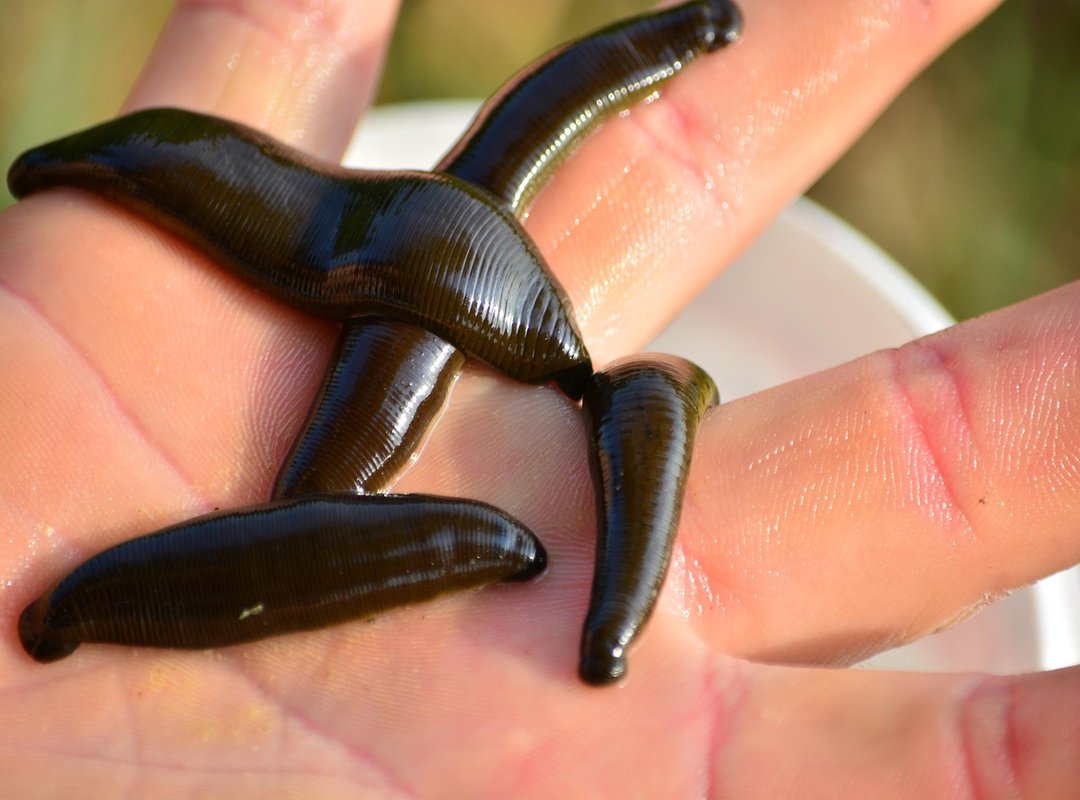
Leeches are segmented worms, like the common earthworm, but with a few tricks up their sleeves. Not all leeches are the bloodsuckers you might think of; many are predators that swallow other small invertebrates whole.
They’re often found in freshwater environments—think ponds, marshes, and slow-moving streams. But don’t be surprised if you find them on land or even in the ocean.
Leeches have impressive sensory abilities. They can detect prey through body heat, movement, and chemical cues in the water or air. It’s like they have a built-in pacet gambar gigi pacat for finding their next meal.
One interesting fact: leeches can consume several times their own body weight in a single feeding. That’s like you eating a dozen Thanksgiving dinners in one sitting.
The Astonishing Anatomy of Leech Jaws and Teeth
Leeches don’t have teeth in the traditional sense. Instead, they have a specialized structure that’s far more intricate.
Imagine three tiny, serrated blades working together to create a precise incision. This is the tripartite jaw, arranged in a Y-shape inside their anterior sucker. Each jaw is lined with up to 100 tiny, sharp denticles.
These denticles act like microscopic saws, cutting through skin with incredible precision.
This unique structure is what creates the characteristic three-pronged or Y-shaped mark of a medicinal leech bite. It’s a marvel of nature, really.
To get a better understanding, pacet gambar gigi pacat would be incredibly helpful. A diagram or magnified image can visually illustrate the jaw and denticle arrangement, making it easier to grasp this fascinating anatomy.
Understanding these details helps us appreciate the complexity and efficiency of leeches. It’s not just about sucking blood; it’s about a finely tuned mechanism designed for survival.
How a Leech Delivers Its Painless, Bleeding Bite
Have you ever wondered how a leech can bite and you barely feel it? Let’s dive into the fascinating process.
First, the leech attaches itself using its anterior (oral) sucker. It’s like a suction cup, holding on tight.
Next, the tiny denticles on the three jaws move back and forth to saw through the skin. Pacet gambar gigi pacat—it’s more like a saw than a needle. pacet gambar gigi pacat
The leech saliva is a key player here. It contains an anesthetic that numbs the area, making the bite painless and often unnoticed.
Another crucial component is hirudin, a powerful anticoagulant. This prevents blood from clotting, ensuring a steady flow for the leech to feed.
There are also vasodilators in the saliva. These widen blood vessels, increasing blood flow to the bite site.
It’s the hirudin left in the wound that causes the bite to bleed for hours after the leech has detached.
Sound familiar? Maybe you’ve seen a small, persistent bleed after a leech encounter. Now you know why.
After the Bite: What to Expect and How to Care for the Wound
Finding a leech attached can be unsettling. But don’t panic. The first thing to remember is not to pull it off forcefully.
That can leave parts of the jaw in your skin, which is the last thing you want.
Use a fingernail or a flat-edged object to gently break the sucker’s seal. This method is safer and more effective.
Once the leech is off, clean the area with soap and water. Apply an antiseptic to prevent any infections.
Bleeding can continue for several hours. It’s normal. Don’t worry; this is just the leech’s natural anticoagulant at work.
Cover the wound with a clean bandage. This will help keep it protected and clean.
Itching is common after a leech bite. It’s usually nothing to worry about. However, if you notice signs of a secondary bacterial infection—like increased redness, swelling, or pus—see a doctor.
Pacet gambar gigi pacat.
Nature’s Intricate and Effective Design
Leeches possess a highly specialized three-jaw system with hundreds of tiny teeth, not a simple mouth. This structure, combined with a complex chemical cocktail in their saliva, makes their bite uniquely effective and painless. The user’s initial search for pacet gambar gigi pacat has been answered with a deep dive into the creature’s biology.
Leeches are more than just pests; they are examples of incredible evolutionary engineering. Their mechanisms have even been adapted for modern medicine. This highlights the hidden complexity in the natural world around us.
 Senior News Analyst
Elryon Thornquell serves as the analytical backbone of El Mag Cult, focusing on in-depth breakdowns of current affairs. His work centers on interpreting major global events and translating them into digestible insights for readers. With a sharp eye for detail, he connects patterns across political, economic, and social developments. Elryon is known for his structured and balanced reporting style. He contributes heavily to the “Major Events Review” section, offering clarity in complex situations. His approach reflects the platform’s mission to inform without sensationalism. Through his analysis, readers gain a clearer understanding of the bigger picture.
Senior News Analyst
Elryon Thornquell serves as the analytical backbone of El Mag Cult, focusing on in-depth breakdowns of current affairs. His work centers on interpreting major global events and translating them into digestible insights for readers. With a sharp eye for detail, he connects patterns across political, economic, and social developments. Elryon is known for his structured and balanced reporting style. He contributes heavily to the “Major Events Review” section, offering clarity in complex situations. His approach reflects the platform’s mission to inform without sensationalism. Through his analysis, readers gain a clearer understanding of the bigger picture.