
Confusion often reigns during major events. You know what I mean. One moment you’re getting updates on a breaking story, and the next, it’s hard to tell what’s important and what’s just noise.
That’s where key events layers come into play.
I want to explore their significance and how they can help you make sense of the chaos. I’ve spent years analyzing news and event coverage, so I have a solid grasp of what matters. My goal is to inform you about navigating these overlays with confidence.
Ever wondered how to sift through the facts? Or how to distinguish between hype and reality? This article aims to equip you with the tools you need to cut through the clutter.
Together we’ll decode these layers and give you clarity on the events that shape our world. You won’t just follow the news; you’ll understand it.
Event Overlays: More Than Just a Distraction
Ever watched the news and felt overwhelmed by the layers of information flashing across the screen? That’s not just you. Those are event overlays.
They’re the visual and informational elements layered over live broadcasts to provide context. Like maps, graphs, or text updates. But here’s the rub: while they’re meant to help us understand key events layers, they can sometimes clutter more than they clarify.
Historically, these overlays started simple. Think ticker tapes with stock prices. Over the years, they’ve evolved into sophisticated tools.
They guide us through unfolding stories, telling us not just what happened, but why it matters. But is more always better?
Understanding these overlays is key. Without it, you might miss the essence of what’s being reported. Ever try deciphering a news story while juggling too many details?
Yeah, me too. It’s why I advocate for breaking down these layers. Let’s keep the key bits and toss the fluff.
In this fast-paced news cycle, recognizing the role of overlays becomes important. They’re not just screens filled with graphics. They’re key to grasping the full picture.
How much do they reflect reality, though? That’s another can of worms.
Event Overlays: A Game-Changer for Understanding Current Affairs
Ever feel overwhelmed by the constant churn of news? I get it. event overlays come in. They add layers of context to key events, making it easier to understand what’s happening and why it matters.
These overlays aren’t just bells and whistles; they’re solid tools that transform how we interpret current affairs.
Let’s face it, news can be dry. But overlays make it engaging. They break down complex stories with visuals and data that stick in your mind.
Take election coverage, for example. When networks use overlays to show real-time voting trends, it doesn’t just inform you (it) pulls you in. You’re not just a spectator; you’re part of the unfolding drama.
Now, think about how overlays affect audience engagement. They captivate. By delivering information in digestible bites, they boost retention.
You remember more because you’re not just reading; you’re experiencing the news. They change how we perceive events, too. Remember when hurricane maps showed us not just the storm’s path but its impact?
That was an overlay at work.
For a deeper dive, check out some Takeaways Recent Event Dynamics. You’ll see how these layers reshape our understanding of major issues. They’re not just add-ons; they’re important for grasping today’s fast-paced news cycle.
So, do overlays matter? Absolutely. They’re the unsung heroes of modern journalism, adding depth to stories and helping us see the big picture.
We need them to make sense of the chaos. And to keep us hooked.
Overlay Mastery: Events in Layers
Ever wonder how media outlets keep their coverage of key events layers both engaging and informative? Well, I’ve been knee-deep in this process, and it’s all about the right overlays. Let’s dive into it.
First, pinpoint what you want your audience to focus on. This step is key because nobody likes information overload. Use overlays to emphasize the important details without cluttering the screen.
Trust me, less is more in this scenario.
Now, let’s talk tech. Tools like Photoshop or After Effects are indispensable. But when it comes to integrating maps, nothing beats an event layer.
It’s about making your content not just look good, but also making it usable. (Pro tip: Always test your overlays on multiple devices to make sure compatibility.)
During an event, things move fast, and if your overlay gets bogged down by trying to do too much, viewers will tune out. Keep it simple. Focus on real-time updates that add context without screaming for attention.
You want it to be a companion to the story, not the story itself.
But hey, don’t take my word for it. Experiment and see what fits your style. It’s a balance of being informative without being overwhelming.
And remember, your audience is smarter than most give credit for. They crave information that helps them see the big picture, not just pretty frames.
So, are you ready to raise your next project? The right overlays can do wonders, and with these tips, you’ll be the go-to source for engaging coverage.
Event Overlays: The Good, the Bad, and the Solutions
Let’s talk about event overlays. They seem simple, right? Layering events to organize space and time.
But using them comes with obstacles. Like messy data or overlapping schedules. You can’t just throw key events layers together and hope they stick.
It takes finesse.
I’ve been there. Figuring out how to keep events organized while maintaining clarity is no cakewalk. Planning is everything.
But even with the best plans, unexpected issues crop up. Like that surprise speaker who suddenly needs a time slot.
Experts say the trick is to be flexible. Having a backup plan. Or two (makes) a world of difference.
And hey, sometimes tech helps. A good software tool can manage the chaos, syncing schedules and sending out updates. Automation is your friend (when it doesn’t crash).
For more detailed strategies, and to dive deeper into this process, check out Unpacking Complex Events Detail. It’s a lifesaver if you’re drowning in logistics.
Pro tip: always test your setups in advance. You don’t want a tech meltdown mid-event. Trust me, I’ve seen it happen.
It’s awkward for everyone involved. Stay sharp, stay prepared, and you’ll get through these challenges.
The Future of Event Overlays: Trends to Watch
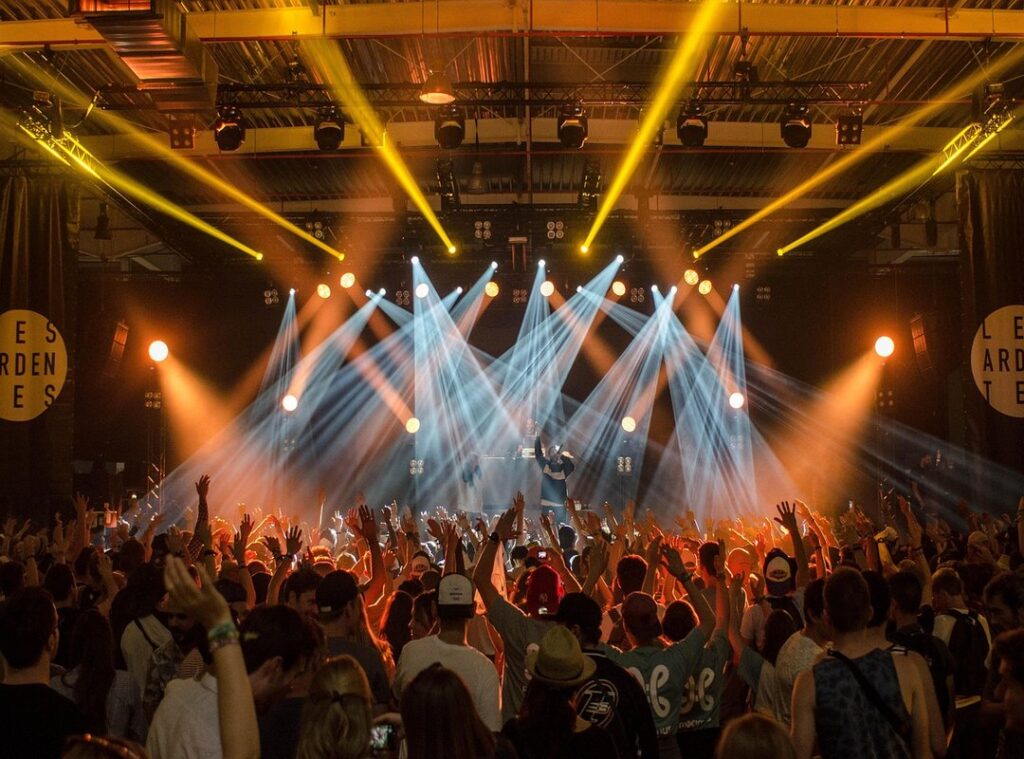
Event overlays are changing faster than a TikTok trend, and I’m excited about it. We’re seeing key events layers evolve from basic visuals to interactive experiences. Think about concerts where lights sync with your phone.
That’s not just cool. It’s the future.
But here’s the kicker: overlays aren’t just for entertainment. They’re creeping into sports, education, even retail. Imagine shopping where product info pops up as you browse.
It’s like Black Mirror, but less dystopian (hopefully).
We want immersion, engagement. A wow factor. Here’s the thing: as tech advances, overlays will need to keep up.
Why does this matter? Because audiences expect more. We’re not satisfied with passive experiences anymore.
We’ll see more personalization, real-time data integration, and maybe some AI magic. Yet, not everyone’s on board. Some argue it’s too much, too fast.
I get it. But change is inevitable, right?
Pro tip: keep an eye on AI-driven overlays. They could redefine how we interact with events. In the end, whether you’re skeptical or excited, one thing’s clear: overlays are here to stay.
What does that mean for us? Only time will tell, but I’m optimistic.
Unlocking the Power of Overlays
Understanding and using event overlays is a game changer. They boost our media experience. Don’t underestimate the role of key events layers.
They provide context and clarity, making everything more engaging.
I encourage you to stay proactive. Keep exploring how overlays can enrich your understanding of events.
Are you ready to dive deeper?
Take action now. Start applying what you’ve learned today. The more you use these tools, the better your media consumption will be.
Don’t miss out on this opportunity to raise your experience. You won’t regret it.
 Founder & Editorial Director
Fynsera Cole is the visionary behind El Mag Cult, shaping its voice with a balance of curiosity and cautious optimism. With a strong interest in global developments, she built the platform to simplify complex news into thoughtful, engaging insights. From its base in Alpine, California, Fynsera leads with a clear editorial direction focused on relevance and clarity. She specializes in curating content that highlights major events without overwhelming the reader. Her leadership ensures the platform remains both informative and approachable. Fynsera continues to guide the team in maintaining credibility while exploring evolving narratives in current affairs.
Founder & Editorial Director
Fynsera Cole is the visionary behind El Mag Cult, shaping its voice with a balance of curiosity and cautious optimism. With a strong interest in global developments, she built the platform to simplify complex news into thoughtful, engaging insights. From its base in Alpine, California, Fynsera leads with a clear editorial direction focused on relevance and clarity. She specializes in curating content that highlights major events without overwhelming the reader. Her leadership ensures the platform remains both informative and approachable. Fynsera continues to guide the team in maintaining credibility while exploring evolving narratives in current affairs.