

The news can be a mess. It’s overwhelming, confusing, and often feels like it’s spinning out of control. I know you want clarity.
You want to understand the “why” behind the headlines. key news analysis comes in.
I dive deep into the stories that matter. I break down complex issues into bite-sized pieces. You deserve more than just surface-level reporting.
This article will give you takeaways that other outlets overlook. You’ll get a clear view of current events, not just the what but also the why.
I spent years honing my skills to sift through noise and deliver what really matters. I promise to help you make sense of the chaos out there.
By the end, you’ll feel informed and ready to engage with the world around you. Let’s cut through the clutter and get to the heart of the news. It’s time to think critically.
Cutting Through the Noise: Mastering News Evaluation
In today’s world, we’re drowning in information. It’s everywhere, and it’s exhausting. This information overload can cloud judgment and warp decision-making.
You’re not alone if you’ve ever wondered what to believe. The rise of ‘fake news’ only adds to the chaos. Remember the panic over false reports of certain events?
These aren’t just stories (they’re) tools of propaganda. Without key news analysis, people make snap judgments that often lead to broader societal polarization.
When you consume news without verifying or questioning it, you’re at risk of misjudgment. It’s not just about being wrong; it’s about living in a reality shaped by biased narratives. Want to feel more confident in your understanding of current events?
Develop key evaluation skills. It feels good to know you’re getting it right.
There’s a stark difference between skimming headlines and diving deep into stories. Headlines are catchy but often misleading. Deep analysis gives you a strategic edge.
In this competitive information environment, being a surface-level reader won’t cut it. You need to dig deeper, question more, and understand better.
Ask yourself: Isn’t it time to look beyond the noise and find the truth?
News Analysis 101: Breaking It Down
In the world of key news analysis, skepticism is your best friend. You can’t just take everything at face value. Who’s behind this story?
What’s their agenda? A good news report should stand up to scrutiny.
Objectivity is next. Sure, it’s a nice word, but what does it mean? It means stripping away bias and focusing on facts.
Ever notice how some outlets lean one way or another? That’s not objectivity. You need to sift through the noise, separating fact from opinion.
Context is king. Without it, you’re just reading words. Ask yourself if this news is timely and relevant.
Is it yesterday’s news? If so, move on. Real analysis digs deep into the context surrounding events.
Here’s a pro tip: always check multiple sources. One report can only tell you so much. Different perspectives can fill gaps and provide a clearer picture.
Need more takeaways on this? Check out Key News What You Need. It’s a good start for diving deeper into news analysis.
Remember, a single point of view is never enough. Keep questioning, keep analyzing. It’s the only way to truly understand what’s happening in the world.
Unpacking Media: Trust and Skepticism
Ever wonder why some news feels biased? You’re not alone. Key news analysis begins with evaluating a source’s credibility. Look at editorial standards and known track records.
Who owns it? Ownership reveals hidden agendas. When it comes to bias, there’s a spectrum.
Partisan reporting shouts its stance, while sensationalism buries you in drama. Omission’s a sneaky one — leaving stuff out changes everything.
Now, what about the journalists? They’re not faceless. Research their previous work.
Figure out their angle or specialization. It helps you understand their narrative. Language shapes the story.
Loaded words, and emotional appeals, manipulate your views. Recognizing these tricks is key (see what I did there?).
Financial and political agendas? Oh, they’re there. They subtly guide narratives.
When you’re absorbing news, always ask: who’s benefiting? This is where our important takeaways informed readers come in. Being informed means questioning everything.
It’s about being aware of these influences and questioning the narrative presented to you. It’s your responsibility to dig deeper and not take things at face value. Become the skeptic.
When something doesn’t add up, don’t just accept it. Demand the truth.
Fact-Checking Like a Pro: Important Techniques
Let’s get to the heart of key news analysis. You want the facts, right? Start by cross-referencing claims with reputable sources.
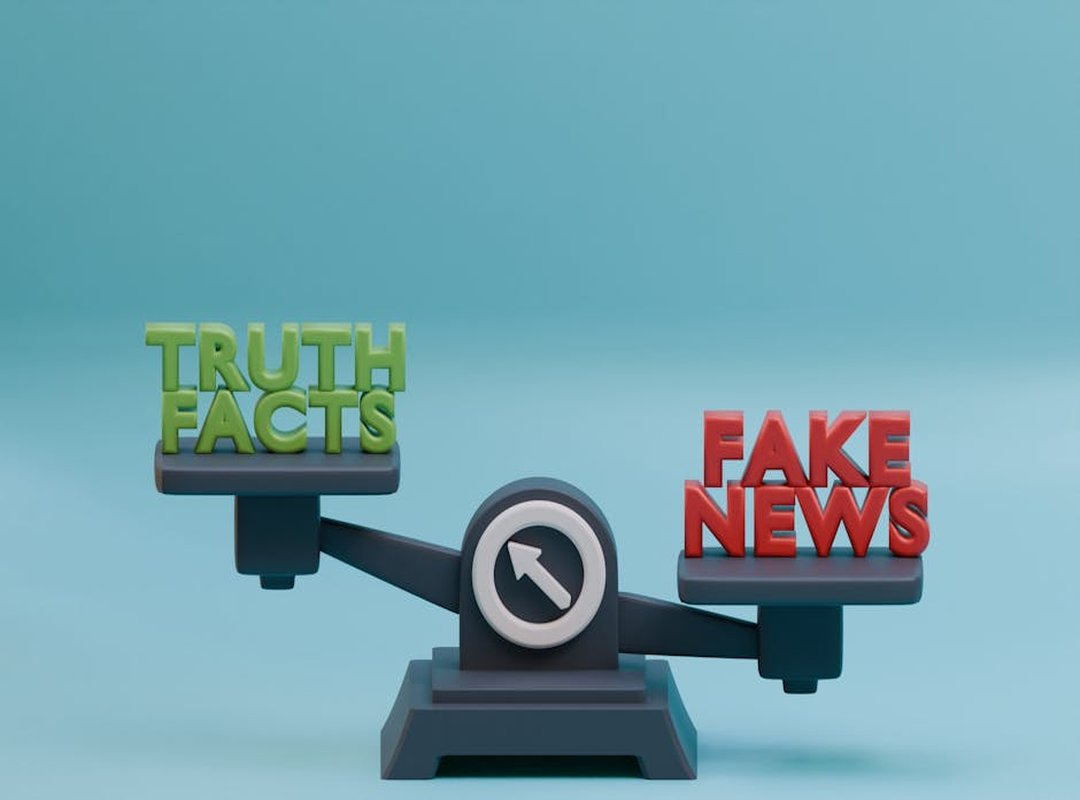
Trust me, if you can’t find it from a source you’ve heard of (and no, random blogs don’t count), it might be dodgy. Digital tools are your secret weapon. A reverse image search can debunk fake photos in seconds.
Pretty cool, huh?
Now, data and statistics. They look fancy but don’t be fooled. Always dig for original sources and decent sample sizes.
If it sounds too neat, there’s probably a catch. News loves to twist numbers, and it’s up to us to untangle them.
Logical fallacies? They’re everywhere. Spotting strawman arguments or false dilemmas will keep you from falling for trickery.
And don’t get me started on deepfakes. They’re scary (like sci-fi becoming real). But don’t fret.
There are tools to sort real from fake.
Want to go deeper? Embrace academic takeaways with the teun a. van dijk 1989 key news analysis.pdf. It’s all about being savvy with your sources.
Keep sharp, question everything. That’s how we stay informed.
Crafting a News Mosaic: Your Path to Insight
Ever feel like you’re drowning in news? I get it. Everywhere you turn, there’s more information piling up.
But how do you make sense of it all? Here’s a tip: think of news like a mosaic. Take pieces from diverse, reputable sources (not just the flashy ones) to build a complete picture.
Trust me, it’s a game-changer.
You can’t rely on a single report to tell the whole story. That’s why understanding underlying narratives is key. Often, these aren’t boldly stated (they’re) the hidden threads weaving through articles.
Spotting these themes can shift your perspective from “what happened” to “why it matters.”
And let’s talk about moving beyond knee-jerk reactions. Sure, it’s easy to react, but key thinking takes effort. Recognizing the difference between mere event reporting and deeper analysis helps develop a reflective mindset.
It’s key news analysis, really.
Want to raise your discussions? Engage with content before parroting headlines. Present well-evaluated points.
This makes conversations richer. Even if the latest ‘Game of Thrones’ twist has everyone buzzing. (Remember that finale?)
Informed debate isn’t just about having an opinion. It’s about understanding and articulating it. You’re not just a spectator.
You’re part of the dialogue.
Raise Your News Game
You are now equipped with a solid system for evaluating news. You wanted to get through today’s confusing information space, and you’re ready to tackle it head-on.
These key news analysis techniques turn passive readers into active thinkers.
Use them every day. Engage with current events thoughtfully. Seek out diverse, well-vetted information to enrich your perspective.
Don’t let misleading headlines dictate your views. Start applying these skills now.
Stay informed and empowered. You’ve got this.
If you need more guidance, reach out to someone who can help. Your informed perspective is just a conversation away.
 Senior News Analyst
Elryon Thornquell serves as the analytical backbone of El Mag Cult, focusing on in-depth breakdowns of current affairs. His work centers on interpreting major global events and translating them into digestible insights for readers. With a sharp eye for detail, he connects patterns across political, economic, and social developments. Elryon is known for his structured and balanced reporting style. He contributes heavily to the “Major Events Review” section, offering clarity in complex situations. His approach reflects the platform’s mission to inform without sensationalism. Through his analysis, readers gain a clearer understanding of the bigger picture.
Senior News Analyst
Elryon Thornquell serves as the analytical backbone of El Mag Cult, focusing on in-depth breakdowns of current affairs. His work centers on interpreting major global events and translating them into digestible insights for readers. With a sharp eye for detail, he connects patterns across political, economic, and social developments. Elryon is known for his structured and balanced reporting style. He contributes heavily to the “Major Events Review” section, offering clarity in complex situations. His approach reflects the platform’s mission to inform without sensationalism. Through his analysis, readers gain a clearer understanding of the bigger picture.