
The constant barrage of global news can feel overwhelming, right? I often find myself lost in the chaos of headlines. What does it all mean for us?
This article aims to cut through that noise by unpacking the global event impacts we all encounter.
I’m committed to providing you with rigorous, fact-based analysis of major occurrences shaping our world. You deserve clarity, not just surface-level reporting. Here, I’ll break down how significant global events affect everyday life, offering clear definitions and real-world examples to help you make sense of it all.
You want more than just a recap of the news. You want to understand the deeper connections and consequences. By the end, you will have a solid grasp of the interconnected nature of these events.
Together, we’ll get through this complex space and uncover takeaways that matter.
Worldwide Event Effects: Beyond the Headlines
When I think about “worldwide event effects,” I picture the ripples that go far beyond the initial splash. It’s not just the headlines. It’s the long-term consequences that really matter.
Whether it’s economic shifts, social upheaval, or political chaos, these effects are complex and intertwined. Take natural disasters, for instance. They don’t just flatten houses; they restructure communities, economies, and sometimes entire countries.
Global health crises? They redefine public health policies and can even shift global power dynamics. Let’s not forget technological breakthroughs.
They’re not just about new gadgets. They change how we live and work, often permanently. The magnitude of an event is key (oops, I said it) in determining the scale and duration of its impacts.
But here’s the kicker: understanding these global event impacts requires more than just skimming the news. You need to dig deeper, revisiting recent major milestones to see the systemic changes they bring. Why?
Because the real story unfolds over time. It’s not just about what happened yesterday. It’s about what continues to happen because of it. the real takeaways lie, beyond the surface.
Economic Earthquake: Market Shifts in Real Time
Ever felt like the world is spinning out of control? That’s what happens when global events shake up everything. The first thing to go?
Supply chains. Suddenly, what’s on the shelf today might not be there tomorrow. It’s chaotic.
Frustrating even.
Markets get jittery too. Stock markets start dancing like they’re in a club, oil prices jump around, and currencies become a rollercoaster ride. You might think it’s just numbers, but those numbers decide prices and paychecks.
And don’t get me started on labor markets. Jobs disappear overnight, new roles pop up, and remote work becomes the new normal. Is this a good thing?
Depends on who you ask.
Then there’s us. The consumers. We change quicker than you’d think.
We hold on to our wallets tighter during uncertain times and splurge when things feel stable. It’s all about perception. The so-called “butterfly effect” (a) small, local event triggering a global event impacts (is) often underestimated but so real.
Want a pro tip? Pay attention to the ripples, not just the big waves. Understanding these shifts can give you an edge.
It’s like reading between the lines of a global novel.
Societal Shifts: Cultural, Political, and Health Impacts
Let’s face it: global events have thrown us all for a loop. The global event impacts have been deep, reshaping everything from healthcare to politics. Our public health systems are stretched thin.
You know it, I know it. Vaccine development became a race against time. Policies shifted overnight, leaving many of us dizzy.
Politically, things are a mess. New governance models emerged, some promising, others downright terrifying. International relations?
Culturally, we’re in a whirlwind. Social norms are changing. Community solidarity is now a lifeline.
A rollercoaster. Political movements rose and fell faster than a TikTok trend. Does anyone else feel like we’re living in a political thriller?
And digital communication? It’s taken over. But is it for better or worse?
That’s up for debate.
The psychological effects can’t be ignored. Collective trauma is real. Mental health challenges are mounting, and public trust feels shaky at best.
Are we more paranoid, or just more aware?
Long-term changes in human interaction and collective psychology are the real deal. These shifts outlast the events themselves. I’m not sure where we go from here, but one thing’s for sure: we’re in it together.
Environmental Echoes: Lasting Impacts
Global events leave scars on our planet. Some fade, but others? They linger, altering ecosystems for decades.
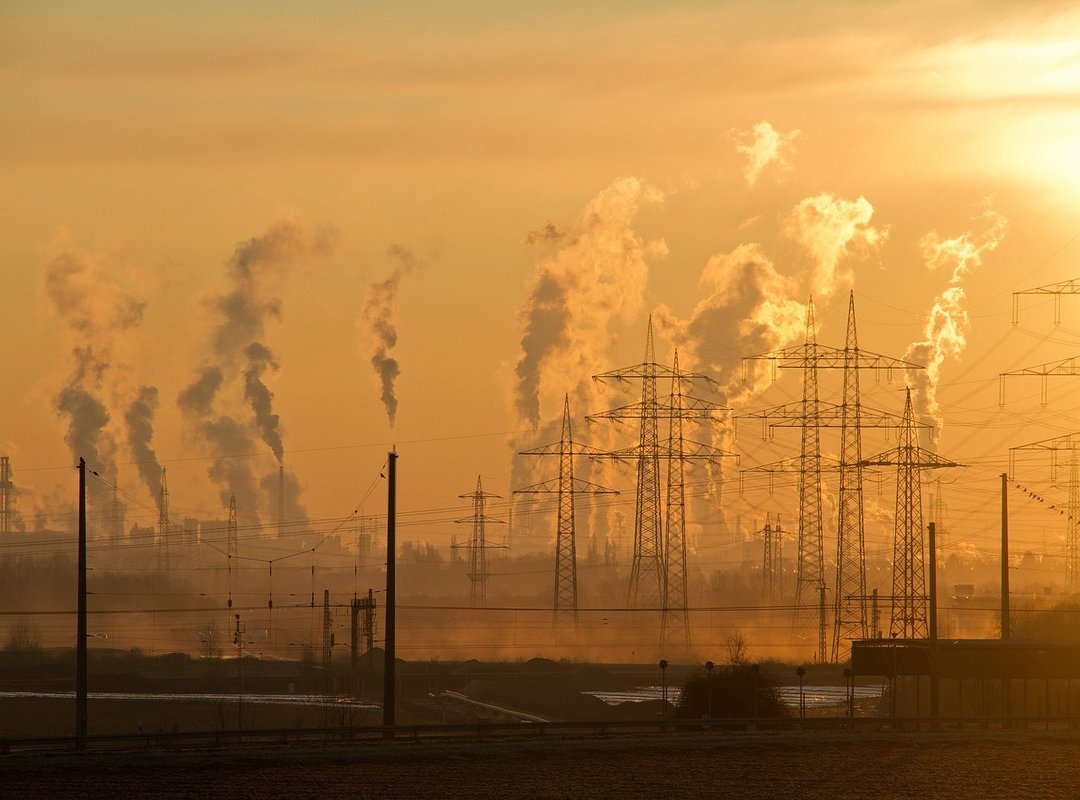
Natural disasters like hurricanes and wildfires do more than just immediate damage. They lead to deforestation and habitat destruction. Conflicts, too, bring pollution and devastation.
And what about policies? One major event can shift the political space overnight. Regulations that took years to build can crumble.
Climate action initiatives lose momentum when countries prioritize short-term gains over long-term sustainability. We’ve seen it happen.
Resource management gets twisted, too. Water scarcity becomes a crisis; energy supplies get disrupted. Food security falters, leaving societies vulnerable.
Remember when the pandemic hit, and plastic use skyrocketed? That was a textbook case of how human responses to crises can unintentionally harm the environment.
It’s a web of consequences. Each event connects to another, creating cumulative impacts. Seemingly separate incidents can combine to stress our planet’s ecosystems.
Future sustainability hinges on understanding these connections. It’s not just about what happens now but the echoes of these events that matter most.
For more on how such events shape our world, check out Key Takeaways Notable Events. It’s key to stay informed.
The Ripple Effect: Unraveling Cascading Impacts
Ever wonder how one small event can shake the world? That’s the essence of cascading effects. One economic hiccup can spiral into social unrest, toppling political stability.
It’s like watching dominoes fall. Remember the 2008 financial crisis? That wasn’t just about money.
It sparked protests and changed governments. It’s all connected.
It’s not all bad, though. Positive events spread just as fast. Think of global tech advancements.
Globalization has made these global event impacts even more pronounced. We’re more intertwined than ever. A hiccup in one part of the world can send shockwaves everywhere else.
They improve lives worldwide.
But how do we cope with these ripple effects? Enter global resilience. It’s about adapting, recovering, and learning from shocks.
We can’t prevent every crisis, but we can prepare. Communities need strong networks. Leaders must plan ahead.
Individuals should be adaptable.
Pro tip: Focus on proactive measures. Don’t just react. Think about future preparedness.
Ask yourself, are you ready for the next big shake-up? We need a system that emphasizes resilience. It’s about creating systems that bend, not break.
That’s how we thrive in a world full of surprises.
Ready to Take Action?
Understanding global event impacts is important in our interconnected world. I know the confusion can be overwhelming when global events unfold. But you don’t have to stay lost.
The structured analysis provided equips you to make sense of complex dynamics.
Stay informed and engage critically with the news. Think about how these events affect your life and community.
Want to dive deeper? Explore specific event analyses and current affairs updates. Don’t wait.
Start navigating this unpredictable space today and arm yourself with knowledge. Your clarity is just a click away.
 Senior News Analyst
Elryon Thornquell serves as the analytical backbone of El Mag Cult, focusing on in-depth breakdowns of current affairs. His work centers on interpreting major global events and translating them into digestible insights for readers. With a sharp eye for detail, he connects patterns across political, economic, and social developments. Elryon is known for his structured and balanced reporting style. He contributes heavily to the “Major Events Review” section, offering clarity in complex situations. His approach reflects the platform’s mission to inform without sensationalism. Through his analysis, readers gain a clearer understanding of the bigger picture.
Senior News Analyst
Elryon Thornquell serves as the analytical backbone of El Mag Cult, focusing on in-depth breakdowns of current affairs. His work centers on interpreting major global events and translating them into digestible insights for readers. With a sharp eye for detail, he connects patterns across political, economic, and social developments. Elryon is known for his structured and balanced reporting style. He contributes heavily to the “Major Events Review” section, offering clarity in complex situations. His approach reflects the platform’s mission to inform without sensationalism. Through his analysis, readers gain a clearer understanding of the bigger picture.